
"sieve size"
600 article(s) found

Introduction to the flavor description method of coffee manor in Arusha, Tanzania
In 1886, Tanganyika Inland was placed under the German sphere of influence. In November 1917, British forces occupied the whole territory of Tanganyika. In 1920, Tanganyika became a British mandate. In 1946, the United Nations General Assembly adopted a resolution to change it into a British trust. On May 1, 1961, Tanzania achieved internal autonomy. On December 9 of the same year, independence was declared, and the Republic of Tanganyika was established a year later. Zanzibar became a British guarantor in 1890

Introduction to the characteristics of high-quality coffee beans with flavor and taste in Tanzania coffee producing areas
Tanzania covers an area of 945087 square kilometers, of which Zanzibar is 2657 square kilometers. It consists of the mainland, Zanzibar and more than 20 small islands. Located in eastern Africa and south of the equator, the continent is bounded by the Indian Ocean to the east, Zambia, Malawi and Mozambique to the south, Rwanda, Burundi and the Democratic Republic of the Congo to the west, and Kenya and Uganda to the north. The coastline of the mainland is 840 km long.
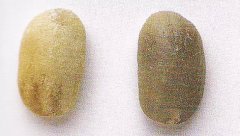
Selection methods and matters needing attention of raw coffee beans
The taste of raw beans and fruits before selection will not vary according to their size. What about coffee beans? Coffee beans harvested from the same tree, regardless of size

Kenyan coffee beans are graded. How to get the best coffee in Kenya? what brand of coffee is good in Kenya?
Professional coffee knowledge exchange more coffee bean information please follow the coffee workshop (Wechat official account cafe_style) the Kenyan coffee brand grading system is set up under the policy of government-led management of quality and guidance to coffee farmers. After the coffee is harvested, the official unit set up by the government, the Kenya Coffee Bureau (Coffee Board of Kenya referred to as CBK), becomes
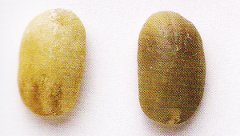
How to choose coffee beans by hand
Apples don't taste different because of size, which I agree with, but in the roasting of coffee beans, it doesn't matter if they're heated anyway. Coffee beans harvested from the same tree, regardless of size

Introduction to the flavor and taste characteristics of Guatemalan coffee manor with refreshing acidity
The types of rainfall can be divided into bimodal distribution and unimodal distribution. The areas with double bee rainfall include the provinces around the Lake Victoria basin, the northeast highlands, the coastal and inland northeastern. The bimodal rainfall area is characterized by two rainy seasons. The short rainy season occurs from September to December. The total rainfall can reach 200-500 mm. The long rainy season occurs from March to May.
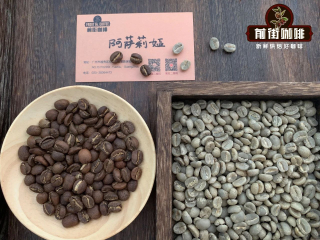
Characteristics of Kenyan AA grade coffee beans introduction to the taste of Kenya washing aa hand flushing flavor
Professional coffee knowledge exchange more coffee bean information please follow the coffee workshop (Wechat official account cafe_style) front street-Kenya AA coffee characteristics introduction Kenya coffee industry compared to Ethiopia, the start is very late, but Kenya attaches great importance to the variety of coffee. In this

Balanced description of Tanzania Coffee Flavor, characteristics of Grinding degree, introduction to the producing areas of Taste varieties
Tanzania covers an area of 945087 square kilometers, of which Zanzibar is 2657 square kilometers. It consists of the mainland, Zanzibar and more than 20 small islands. Located in eastern Africa and south of the equator, the continent is bounded by the Indian Ocean to the east, Zambia, Malawi and Mozambique to the south, Rwanda, Burundi and the Democratic Republic of the Congo to the west, and Kenya and Uganda to the north. The coastline of the mainland is 840 kilometers long.
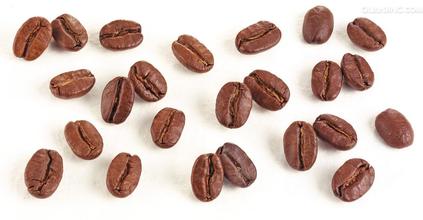
Introduction to the characteristics of the flavor and taste of the moderately mellow coffee manor in Arusha, Tanzania
The eastern coastal areas and inland lowlands of Tanzania have a savanna climate, while the western inland plateau has a tropical mountain climate, with an average temperature of 21-25 ℃ in most areas. More than 20 islands in Zanzibar have a tropical maritime climate, hot and humid all the year round, with an annual average temperature of 26 ℃. [6] rainfall types can be divided into bimodal distribution and unimodal distribution. Areas with double bee distribution of rainfall include

Introduction to the National Standard of Yunnan Coffee Raw Bean-planting Environment Manor area treatment method
The national standard of Yunnan coffee raw beans-planting environment manor production area treatment method introduces the representative countries: Guatemala, Costa Rica, Savaldo and other Central American countries. The higher the altitude of the origin, the better the quality of coffee. Because of the low altitude and hot climate, coffee trees grow faster and absorb less soil nutrients, so the taste of coffee is poor. Grow 1375m to 1524m

Introduction to coffee flavor and taste of smooth and soft coffee manor in Arusha, Tanzania
Tanzania is rich in mineral resources. By 2014, the major minerals identified include gold, diamond, iron, nickel, phosphate, coal and various gemstones, ranking fifth in Africa in total. Tanzania also has huge natural gas reserves. According to official data released by Tanzania, Tanzania has proven natural gas reserves of 44 trillion cubic feet, and the total reserves are expected to be at least

Kenyan Coffee Regional Flavor description Kenyan Coffee targeting Japanese Market Kenyan Coffee characteristics
Professional coffee knowledge exchange more coffee bean information please follow the coffee workshop (Wechat official account cafe_style) Kenya strictly controls the quality of coffee, which is divided into AA,AB,C,E,PB,TT,T,ML,MH according to size and shape. These grades mainly distinguish the shape and size of beans, but not absolutely represent the quality of beans. Many people think that beans with larger grains

Introduction to the characteristics of boutique coffee beans in Kilimanjaro coffee producing area of Tanzania
On January 12, 1964, the Sang people overthrew the sultan and founded the Zanzibar people's Republic. Tanganyika and Zanzibar formed a United Republic on April 26, 1964. On October 29 of the same year, the name of the country was changed to the United Republic of Tanzania. Julius Cambara Ginerere was the founding president and was re-elected twice until he resigned voluntarily in 1985. Mwinyi was elected on October 27th of the same year.

Arusha, Tanzania Coffee Estate Flavor Description Grind Variety Features Taste Introduction
Tanzania has a federal presidential system. It has long been ruled by the Revolutionary Party and has a stable political situation. The first multiparty elections were held in October 1995, and the opposition Citizens United Front (CUF) accused the Revolutionary Party of fraud in the elections and refused to recognize the Salmin government in Zanzibar. In June 1996, the Revolutionary Party held a national congress, and Mkapa was elected chairman of the Party to realize the unified leadership of the Party and the government. 1

Introduction to the characteristics of high-quality coffee beans in Tanzania coffee flavor and taste manor producing area
In October 2000, Mkapa was re-elected president of the United Republic, and Karume, a candidate of the Revolutionary Party, was elected president and repeatedly expressed his position of safeguarding national unity, which further dealt a blow to the separatist forces. Since 2001, the coalition government has continued to consolidate the situation of unity, maintain the coalition regime, strive for moderate forces, crack down on the separatist forces in Zanzibar, and allocate budgetary funds and other matters related to Sang.

Moderate mellow thickness of Tanzania Kilimanjaro coffee flavor taste manor boutique coffee beans
In 1886, Tanganyika Inland was placed under the German sphere of influence. In November 1917, British forces occupied the whole territory of Tanganyika. In 1920, Tanganyika became a British mandate. In 1946, the United Nations General Assembly adopted a resolution to change it into a British trust. On May 1, 1961, Tanzania achieved internal autonomy. On December 9 of the same year, independence was declared, and the Republic of Tanganyika was established a year later. Zanzibar became a British guarantor in 1890

An introduction to the taste of Arusha Coffee Manor in Tanzania with moderately low sour and sweet taste.
Since 2001, the coalition government has continued to consolidate unity, maintain the coalition regime, strive for moderate forces, crack down on the separatist forces in Zanzibar, and take care of the allocation of budgetary funds and other issues related to Zanzibar's vital interests. Instead of openly advocating separation, URUF has demanded that Zanzibar be given more autonomy. In December 2005, Kikwete was elected as the United Republic

Low sour and sweet Tanzanian coffee flavor description taste characteristics introduction of varieties
Tanzania is located in eastern Africa, latitude 059-1144 south, longitude 2919-4030 east, mainly tropical climate, temperature range of 10-25 ℃, depending on latitude and season, usually cool from the end of May to the end of August. The types of rainfall can be divided into bimodal distribution and unimodal distribution. Areas with double-bee rainfall include the provinces around the Lake Victoria basin and the northeast.

How to describe the dry aroma of coffee? introduction to the regional treatment method for the characteristics of flavor and taste varieties
How to describe the dry aroma of coffee how to describe the flavor and taste characteristics of coffee varieties 1, planting altitude 2, raw bean size (sieve size Screen size) 3, coffee bean flavor 4, defective bean proportion, but different countries, there will be different benchmarks. For example, in Brazil, the benchmark of taste is as follows (from high price to low price): Strictly Soft Soft Softish H
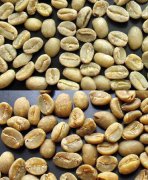
Grading of raw coffee beans
There are two ways to classify raw coffee beans, one is the filter number, and the other is the elevation. It is divided by the filter number, and the size is size in terms of the screen size. Round beans are generally smaller than flat beans, between 8-13 and 12-29. 8, 9, 10. 12, 13. 18. 29 = small, medium, ordinary. Quasi-big. Big, extra large. The bigger the size, the bigger the beans. Like SC-.